Sweden Classes Summer 2008
July 7 - August 8



|
Sweden Classes Summer 2008 July 7 - August 8
|
|
|
Program Information
Destination Information
The city is home to roughly 30,000 citizens. However, the densely populated surrounding suburban area more than doubles the total population. Part of the city is actually below the sea level, which results in numerous beautiful, lakes, canals, rivers, and the Baltic Sea coast.
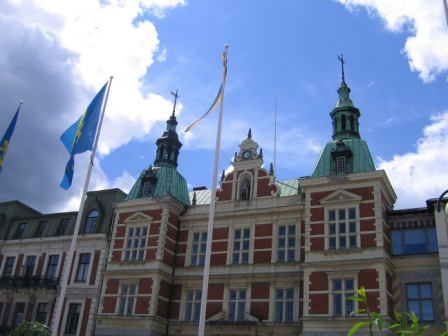
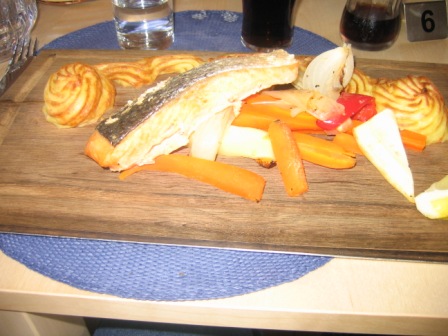
The streets in the old fortress town still follow the original seventeenth-century layout, and a compact central core containing a large number of cultural treasures thus distinguishing the city. The moats and other fortifications from the Danish period have long since vanished. Many of the moats gradually became tree-lined boulevards, while the surrounding marshes were drained and used as building plots. Kristianstad is compact and easy to get around in. Most people walk in the downtown area, and much of downtown prohibits motor traffic, making it safe and easy to manage. The city offers a wide variety of restaurants and cafes in various styles and price ranges. A traditional Swedish lunch can be found at many of the locally owned restaurants at a very reasonable price ($8 or 56SEK). It is important to remember that a tip is not expected in Sweden, as that is included in the price of the meal. If you desire something lighter, you can chose from the many sandwich cafes around the city, most of which offer the alternative to eat outside in a cozy environment. Because of the diverse population of the city, the opportunities for foreign food are endless. Thai, Mongolian, Chinese, Italian, and Middle-Eastern restaurants are plentiful and very popular. The downtown area also offers a wide selection of shopping opportunities. Sweden is a fashionable country, which is largely influence by the main fashion countries of Europe, such as France, Italy, and England.
If you desire a relaxing environment, you can visit the theater park right in the middle of the city. Many people enjoy a relaxing walk in the park, a picnic, or even concerts at night during the city festival week.
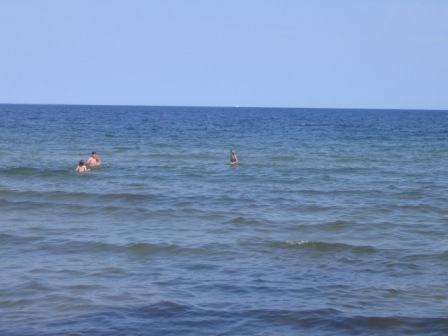
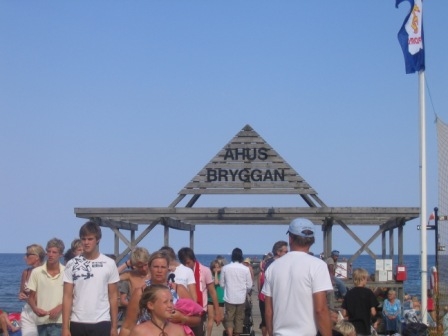
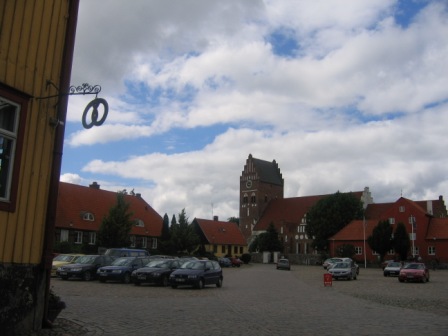
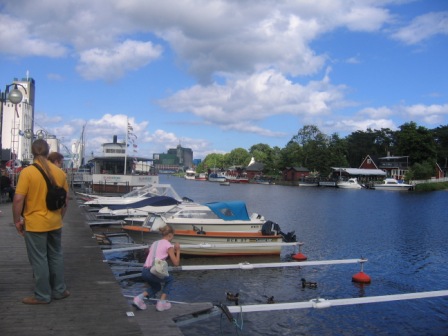
Åhus is a charming, idyllic place with half-timbered houses along narrow, winding streets and one of Sweden's most beautiful old squares that goes back to the Middle Ages. Then Åhus was the seat of an archbishop, a fortified town with lively commerce and shipping. Today, Åhus is most famous as the home of Absolute Vodka and for its miles of sandy beaches that stretch all the way along the Baltic coast. Åhus is a summer paradise for many and the population triples every summer. Just visit the town and you will find out why. Strolling along the narrow, cobbled streets with houses from the 18th century is a history lesson in itself. Walking around the harbor, where you find everything from large freighters to small sailing boats is pure pleasure. Various activities are organized during the summer and the harbor virtually becomes the center of Åhus. A walk around the harbor can end with a good dinner at the local inn, Åhus Gästgivaregård, which is located like a pearl by the old bridge. For those with a passion for golf there is Sweden's fifth oldest golf course with 36 challenging holes. There are another 20 golf courses within 30 miles. Amazing!
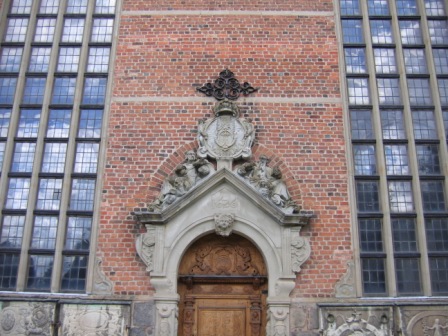
In the middle of Kristianstad, you will find the exhibition-halls of the Region Museum as well as the new Kristianstad's Art Hall. After a short walk, you will get to the Film Museum, where the first Swedish films were made. A little bit further away is the Railway Museum, where you will get information about the importance of railways in earlier Eastern Skåne. Kristianstad is home to a theatre, concert hall, chamber music hall, museum of local history, film museum, the culture center Barbacka, and two art galleries. Music has played a very prominent role in the region ever since the time when the city was a garrison town. Based on last year, there was an average temperature of 60-70 degrees during the day. It was quite rainy during our visit. Jeans, shirt, jacket and tennis shoes were appropriate most days. Daylight comes before 5 am and lasts until after 9pm. Earplugs and eye coverage for long daylight hours and festival nights is recommended. A battery travel clock/ radio for your room is nice as you will be adjusting quite a bit and do not want to miss your early bus or train – ok or class. If you plan to travel during your trip, you will use local and regional transportation located in town a mile away. It is a nice flat walk with interesting scenery and buildings along a lightly traveled boulevard. Pedestrian traffic is common and you will be safe along these streets. Clothes can be expensive but many shops provide options for any budget. Daily items can be found in the shopping center, which has a pharmacy, grocery store, bakery, electronics and household items. The hall kitchen is stocked with most needed cooking items – pots, pans, can opener, and utensils. Each student will get a key for a locked cabinet during the month. You may also store items in one of several refrigerators making meals as inexpensive as cooking at home. There is a local library closer than the university library. You are limited to 1 hour reserved at their computers. You will need to bring a storage device to save work to. A note that even though Internet and Word are available the computers are set up in Swedish making saving and editing a bit tricky. The library staff is extremely helpful and the library is a peaceful place to email and work within a mile of our housing. Budget Due to fluctuations in the exchange rate between the U.S Dollar and the Swedish Crown, it is impossible to determine an exact program cost. Changes in the airline industry also make this task more challenging. However, any changes that might occur are likely to be minimal, and can in fact not only increase the cost, but also reduce the costs.
In addition to the program cost, students will pay tuition and fees based on normal ETSU charges. This amount will be individually based depending on in-state or out-of-state tuitions, personal financial aid, and whether the student takes three (3) or six (6) credits while in Sweden. All students have to obtain a valid passport, which costs no more than $100. Start this process early as it takes up to eight weeks to get your passport. You need an appointment and can download applications from the Tennessee passport website. Each student will also have to have insurance that covers him or her outside the United States. Contact your insurance provider to see what type of coverage you have, and be sure to provide proof of insurance prior to departure in form of a letter from the insurance company, or an insurance card specifying your coverage type. The cost of living in Sweden is similar to the U.S, so personal expenses will depend on personal preferences and lifestyle. However, lunches and dinners can be prepared in the residence hall. There will be three mandatory information sessions during the spring and summer 2008 during which we will cover practical matters, distribute contracts, collect deposits, and have a question and answer session with other participants at ETSU. Requirements and Suggestions In order to ensure the safety of all students, it is vital that the following requirements are met. Proof of valid insurance that will cover the student abroad in form of a letter from the insurance company, or a card specifying the cardholder's name and policy coverage is required. See the university form that will be retained at ETSU. It is also recommended that the insurance plan includes "evacuation and repatriation" in case of an emergency. Students must also read and sign the "Terms and Agreement for Participation in Study Abroad/Exchange Programs" document. Further, the students must provide emergency contact information including full name, relationship, phone number, and mailing address. Finally, students must adhere to all local laws and policies. We recommend that the students convert a small among of cash into Swedish Crowns ($150). This can be done for a fee at the airport of train station upon arrival in Denmark. For additional cash, we advice you to avoid using traveler's checks, as the banks usually charge a fee to cash these checks. Local banks have ATM’s that allow withdrawals from most US accounts with your pin number. Check with your own bank for restrictions and fees that may apply. Instead, using a debit card is recommended. However, you should check with your bank to see what (if any) fees are being applied to your account for withdrawals overseas. It is also a good idea to bring a credit card that can be used in case of emergencies. Traveling usually results in purchasing souvenirs and other items, so pack lightly or bring an extra soft bag inside your suitcase to make sure you have enough room for your luggage when returning to the U.S. You will need to carry your own bags from the airport to the train and from train to train in Malmo. Then from the train to our housing up stairs. Please pack only what you can manage. Local stores can provide most needed items so you can leave ordinary items at home and buy only what you will need for the month here. Some rooms will have Internet access for your laptop. If you use any specific electronic equipment, you need to purchase a converted at your local Best Buy, Target, Circuit City, Radio Shack, or other electronics store. Most American cell phones will not work out of the U.S., so you might want to purchase an international calling card or set up an Internet account with MSN Messenger/Verizon, or any other online phone service. A hall phone is available for incoming and local calls. Email works for most situations. An emergency contact for your family to a local number will be provided. Friends and family calling from the U.S are recommended to use one of the many 10-10 options to reduce the costs of the phone calls.
Kristianstad University
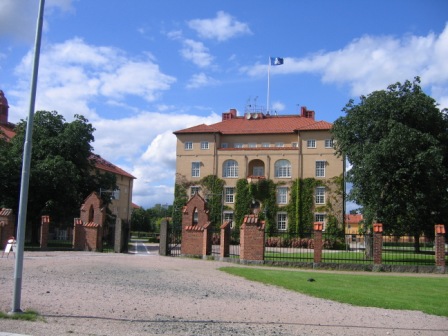
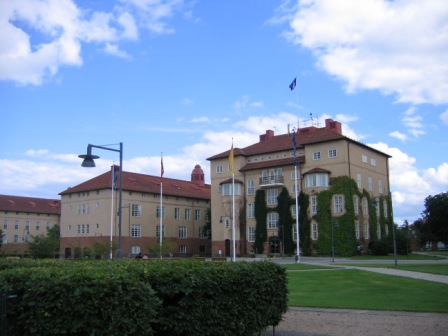
The university is located within a 10 minutes walk from downtown Kristianstad, and local busses take students to and from campus for roughly $1.50 one way. Students from all around the world contribute to the positive and vibrant atmosphere on campus. Most classes are spring and fall so summer has less students and shorter hours for library services.
The university provides a safe and welcoming environment, and students can enjoy a compact and well-maintained campus between classes, or during study sessions. For more information, visit Kristianstad University’s official web page at www.hkr.se (see language options in the top right corner)
Housing
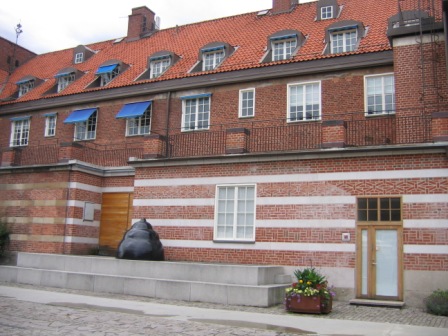
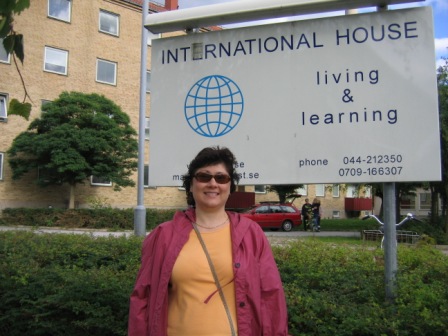
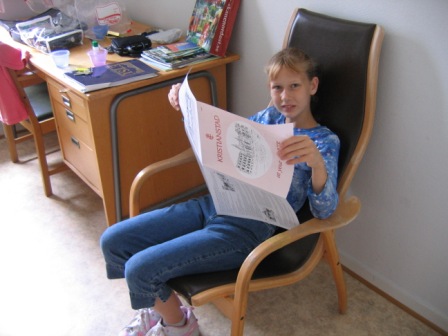
Note: the picture is from the International House at Kristianstad University. Most rooms have a window, bed, table or desk and chair, closet space and a sink. Due to the limited number of participants in this program, cooking group dinners and lunches will be easy, and it is likely that there will be only a few international students in that hall, which frees up even more space. Don’t Worry Parents Program director, Daniel Mansson, has lived in this area for nineteen years, and continues to visit Sweden annually. Therefore, he has extensive experience and knowledge about local healthcare facilities, banks, police departments, public transportation systems, and can offer general advice and suggestions to the students. He also studied abroad for seven years, and therefore understands how to transition to new cultures, and how to make students comfortable abroad. Director, Angie Sheek participated in the month long program in the same area last year and will be staying with the students on site and arranging weekly class and group activities. For additional information, please contact Angie Sheek: Email: sheek@etsu.edu Phone: (423) 439-6522 ETSU office or (423) 542-6819 (cell) |
| |||||||||||||||||||||||||||||||||||||||||||||||||||||
|
|